Wind Turbine Lifespans Guide
Understanding the lifespan of a wind turbine is critical for operators, asset managers and OEMs who want to maximise return on investment while minimising downtime. Increasingly, turbine owners are also recognising the value of specialist repair and refurbishment partners in extending asset life beyond original design limits, particularly as ageing components begin to restrict performance.
While wind turbines are designed to operate for decades, their true working life depends heavily on maintenance quality, environmental conditions and the reliability of key components.
The average lifespan of a wind turbine
The typical design life of a wind turbine is around 20 to 25 years. Modern turbines are engineered with this timeframe in mind, but with effective maintenance and targeted component upgrades, many can continue operating safely beyond it.
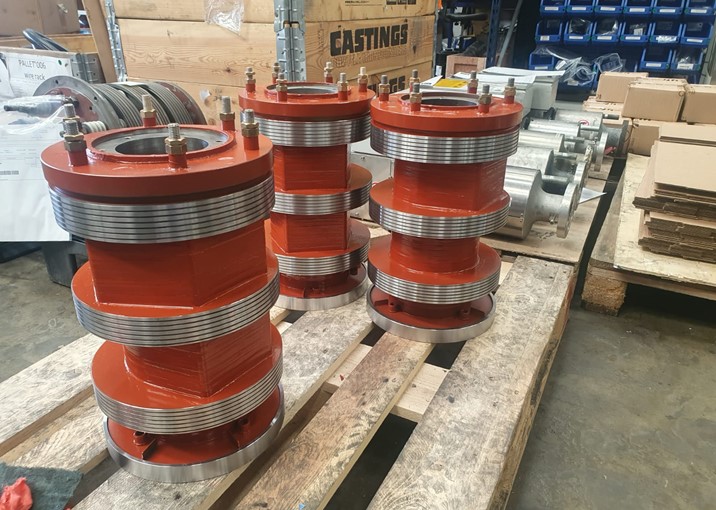
Key factors influencing turbine lifespan include the quality of the original design, exposure to harsh environments, operational loading and, critically, access to responsive repair and refurbishment expertise when issues arise. As a result, some operators now pursue lifetime extension programmes that allow turbines to operate for 30 years or more.
Failure rates in wind turbines
From a repair specialist’s perspective, how failures are managed is often more important than how frequently they occur.
Failure rates vary by component rather than across the turbine as a whole. Industry experience shows that electrical and control components tend to fail more often but are generally easier and quicker to repair, while major mechanical failures are less common but significantly more expensive. Predictive maintenance plays a major role in reducing unplanned failures and extending overall turbine life.
Most common causes of failure
BGB’s repair teams consistently encounter the same underlying causes across different turbine models and manufacturers.
“The most common repairs we see are typically the result of poor maintenance and operation in dirty environments. Oil ingress is one of the major factors, often caused by units not being sealed effectively.”
Dave Smith, Head of Prototype and Repairs
Contamination and inadequate sealing are leading contributors to premature failure, particularly in slip rings, bearings, and pitch or yaw systems. Once oil or debris enters these assemblies, wear accelerates quickly and the risk of secondary failures increases.
Extending turbine lifespan therefore requires a proactive approach that combines preventative maintenance with expert repair, refurbishment and upgrade capability. This includes using condition monitoring and oil analysis to detect early-stage faults, repairing and refurbishing components rather than defaulting to replacement, and reverse engineering obsolete or unsupported parts so performance can be improved rather than simply restored.
Practical measures include implementing robust preventative maintenance schedules, using condition monitoring and oil analysis, repairing and refurbishing components instead of replacing them prematurely, reverse engineering obsolete parts, and upgrading critical systems such as slip rings, seals and bearings. Specialist repair and refurbishment services can restore components to OEM-level performance and, through targeted upgrades, often improve reliability beyond the original specification. This approach sits at the heart of effective lifetime extension strategies.
How long wind turbines last without maintenance
From a repair perspective, poor maintenance does not just shorten turbine life; it turns manageable wear into major failures that demand costly component replacement.
Without regular maintenance, a wind turbine’s lifespan can be reduced to less than ten years. Critical systems such as bearings, slip rings, gearboxes and pitch control units rely on clean lubrication, effective sealing and early fault detection. When these fundamentals are neglected, wear accelerates rapidly and repair opportunities become increasingly limited.
How often wind turbines need servicing
Routine servicing is only part of the picture. When faults are identified, timely repair and upgrade work is essential to prevent knock-on damage.
Most turbines require scheduled servicing once or twice a year, supported by continuous condition monitoring. Typical servicing includes visual inspections, lubrication checks, oil condition analysis, electrical inspections (including slip rings and brushes), and assessments of blades and pitch systems. More extensive inspections and refurbishments of major components may take place every five to ten years, depending on operating conditions.
Oil lifespan in wind turbines
Oil life varies by system. Gearbox oil is usually replaced every three to five years, while hydraulic oils may need changing every one to three years depending on duty cycles and environmental conditions.
Oil degradation is often accelerated by contamination, moisture ingress and temperature extremes, all of which can indicate sealing or component wear issues that are best addressed through targeted repairs. Regular oil analysis helps identify early signs of wear and prevents secondary damage to bearings and seals.
Wind turbine blade replacement
Wind turbine blades are designed to last 20 to 25 years, but in practice may need repair or partial replacement earlier due to leading-edge erosion, lightning strikes or accumulated fatigue.
Minor blade repairs are common throughout a turbine’s life, while full blade replacement is less frequent and usually associated with lifetime extension or repowering projects.
Typical turbine costs
The cost of a wind turbine varies by size and location, but onshore turbines typically cost between £1 million and £1.5 million per megawatt installed. With this level of investment, extending a turbine’s life by even a few years can deliver significant financial and environmental benefits.
Supporting long-term wind turbine performance
Why repair expertise matters
As turbines age, OEM support can become limited or prohibitively expensive, particularly where parts are obsolete or lead times become impractical. Independent specialists such as BGB help bridge this gap by repairing, refurbishing and reverse engineering critical components, including slip rings, fibre optic rotary joints, pitch systems and generator assemblies, while also upgrading known weak points identified during inspection.
A wind turbine’s lifespan is not fixed. It is shaped by maintenance and repair decisions made throughout the asset’s life. By addressing wear early, protecting components from contamination and investing in expert repair solutions, operators can maximise uptime and long-term value.
Visit the BGB website for more information on Wind Turbine Lifespans Guide
ENQUIRY FORM