Why Does the BGB Siemens Aftermarket Pitch Control Slip Ring Look Different?
Why does the BGB Siemens aftermarket pitch control slip ring look different? Because it’s different by design.
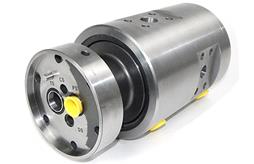
At first glance, the most noticeable difference is the size and overall form factor. The BGB unit is larger and purpose-built to fit within the true operational envelope, allowing a more robust design and better use of materials. This isn’t just about appearance — it reduces mechanical stress, improves the overall design, and supports long-term reliability.
But the real detail sits beneath the surface.
The design is axially sealed to help prevent contamination ingress, with integrated weep holes to manage oil exposure effectively. It also features a durable cover construction that resists distortion over time, along with a maintenance-free architecture designed to reduce downtime and lower lifecycle costs. The unit has been developed with both technicians and circular economy principles in mind, and it is fully SGRE approved, providing platform compatibility and added confidence.
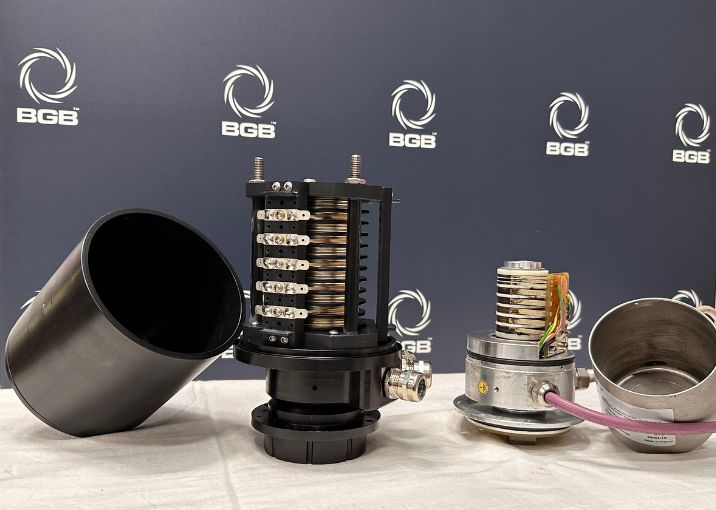
In short, it looks different because every millimetre has been engineered with intent — removing compromise and focusing on performance.
And the results back that up.
During validation testing, the BGB unit exceeded 240,000,000 revolutions before testing concluded, which equates to around 20 years of real-world operation. That’s 2.4 times the original specification, with testing carried out under optimal conditions.
This isn’t a minor tweak. It’s a fundamental rethink of how a slip ring should be designed, built and perform in the field.
If you’re still judging slip rings on like-for-like appearance, you’re missing the point. The difference you see is the reliability you get.
Visit the BGB website for more information on Why Does the BGB Siemens Aftermarket Pitch Control Slip Ring Look Different?
ENQUIRY FORM